Sometimes the best way to prepare for a major challenge is to dive in head first. This is a case study in unconventional preparation for one of Canada’s classic backcountry routes: the Long Range Traverse in Newfoundland.
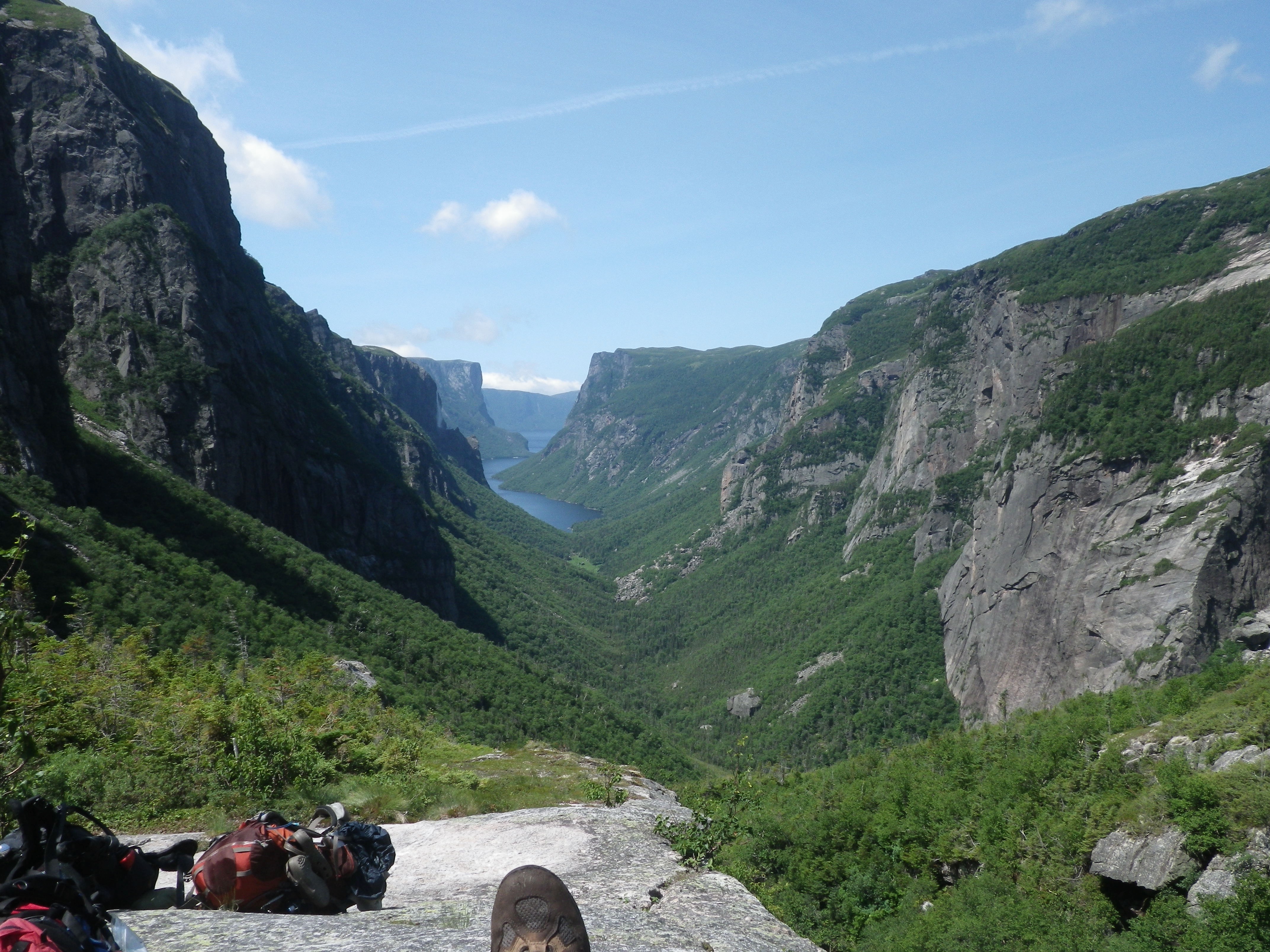
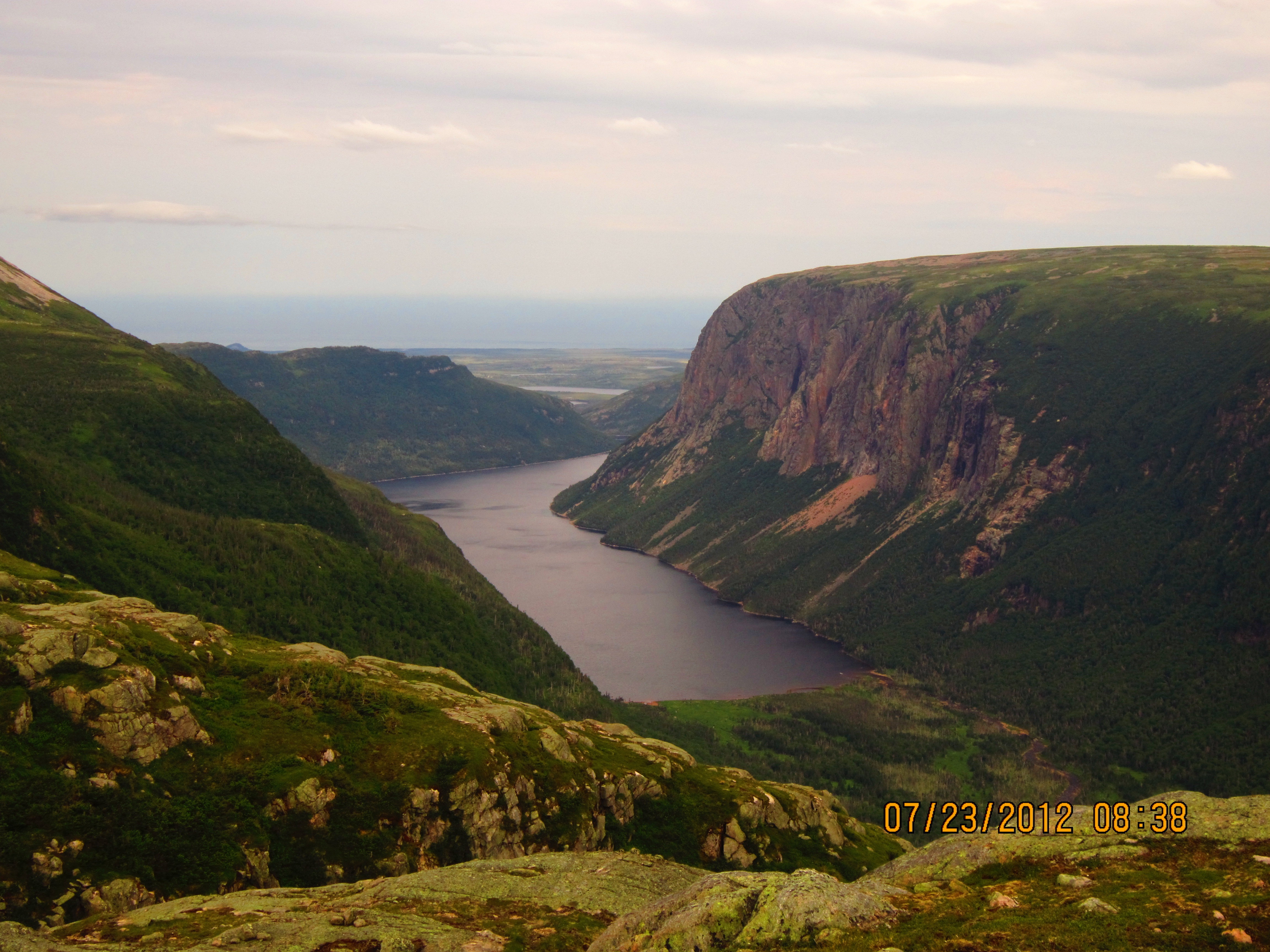
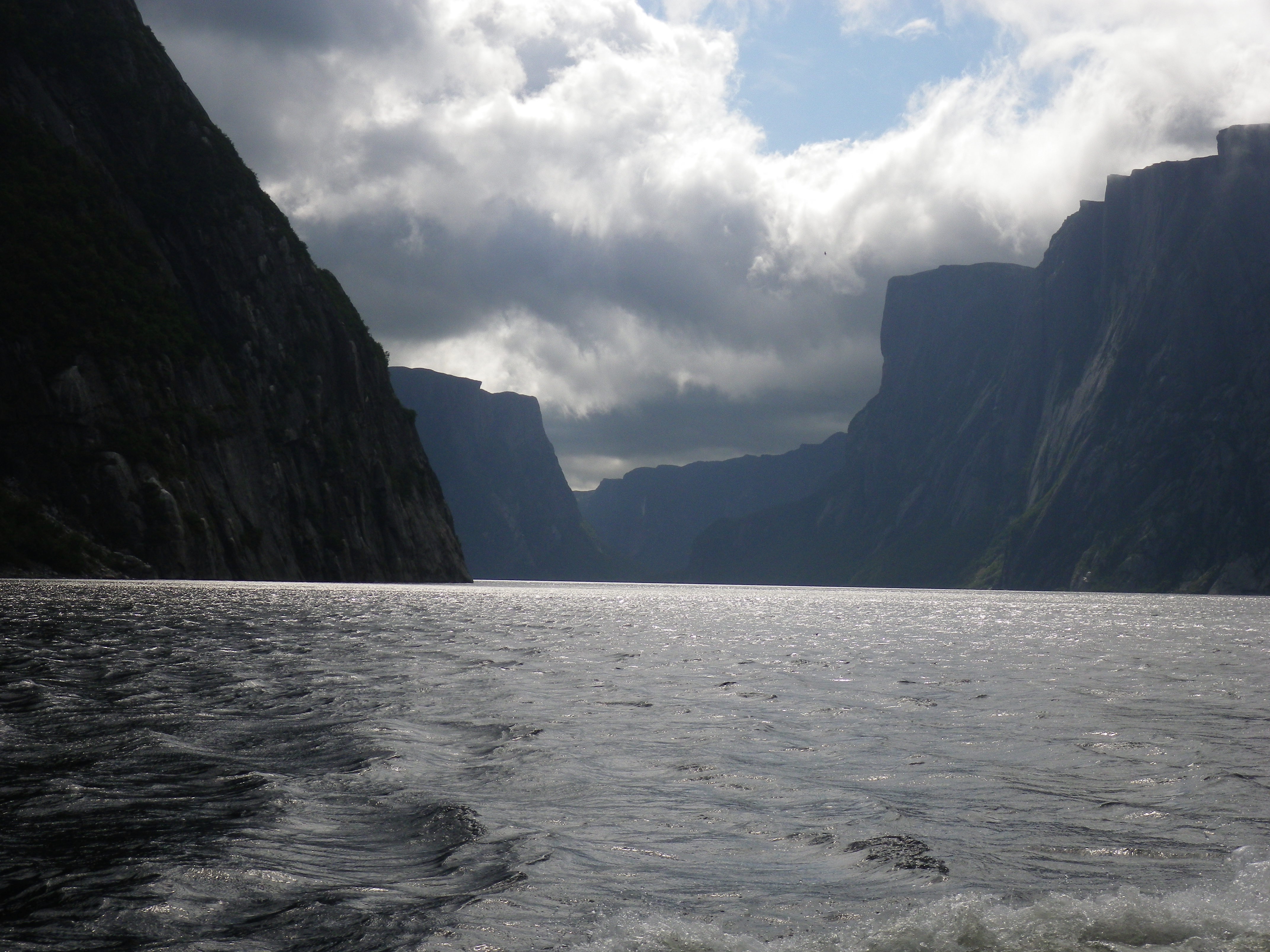
The Objective: The Long Range Traverse
Located in the backcountry of western Newfoundland, the Long Range Traverse is a multi-day, self-supported trek that requires advanced route-finding skills. There is no defined or marked trail. Hikers must prove their proficiency with map and compass navigation to park officials before departure and are required to carry a tracking device for safety. The area is notorious for being socked in by dense fog or rain for days on end, making navigation exceptionally challenging.
The Training Method: An Orienteering Challenge
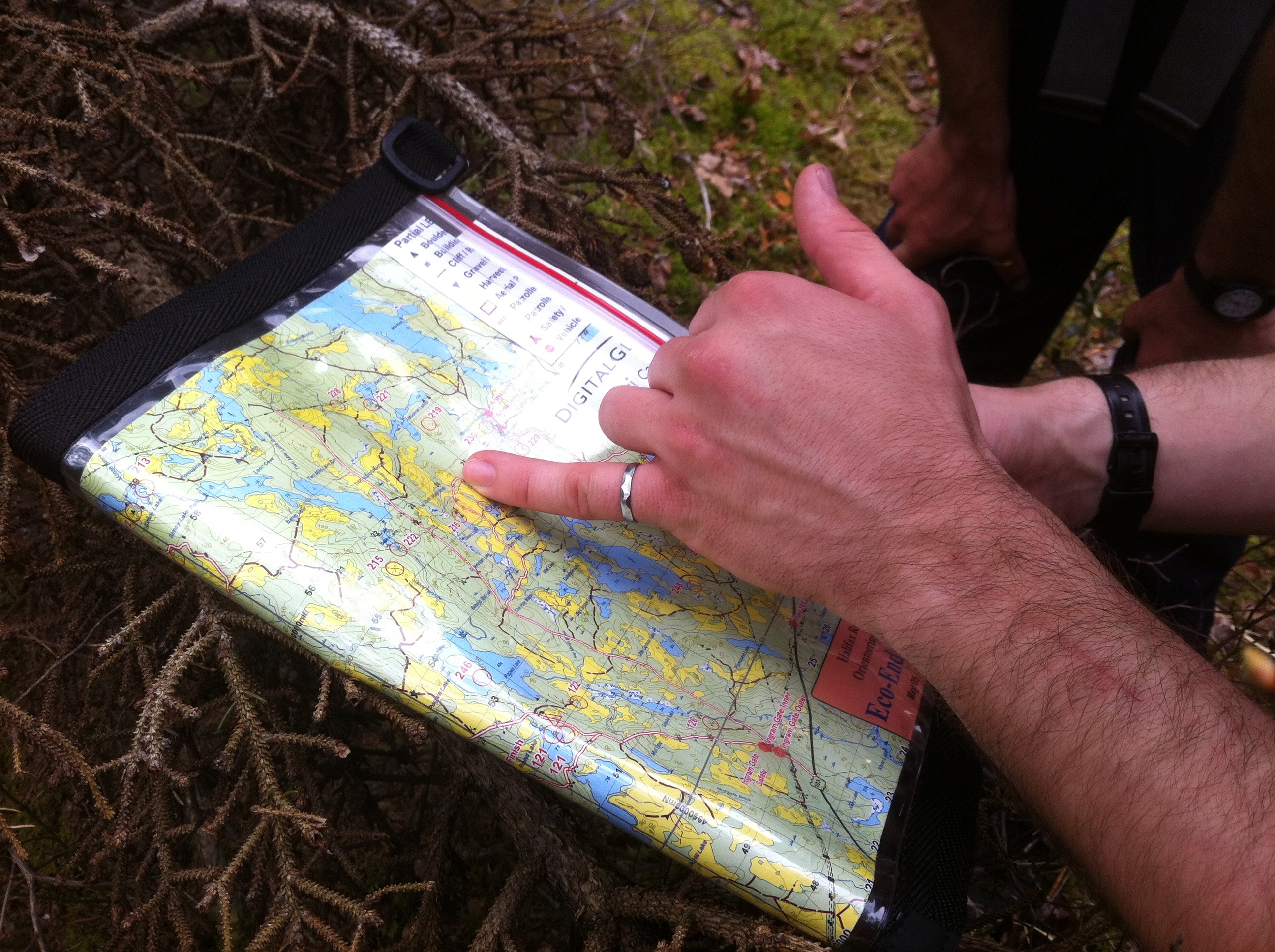
During the planning process, the main obstacle was ensuring the team was prepared to navigate the terrain with only a map and compass (a GPS would serve only as a backup). Past experience suggested that the best way to learn a new skill is through total immersion. The chosen training ground: a 24-hour adventure race and orienteering challenge hosted by the Halifax Regional Search & Rescue.
The logic was that a 24-hour, non-stop competition would simulate the experience of being multiple days into a difficult hike: tired, cold, wet, and forced to rely on navigation skills to succeed. With the goal of learning rather than winning, the team dove in.
The Experience: A Lesson in Resilience
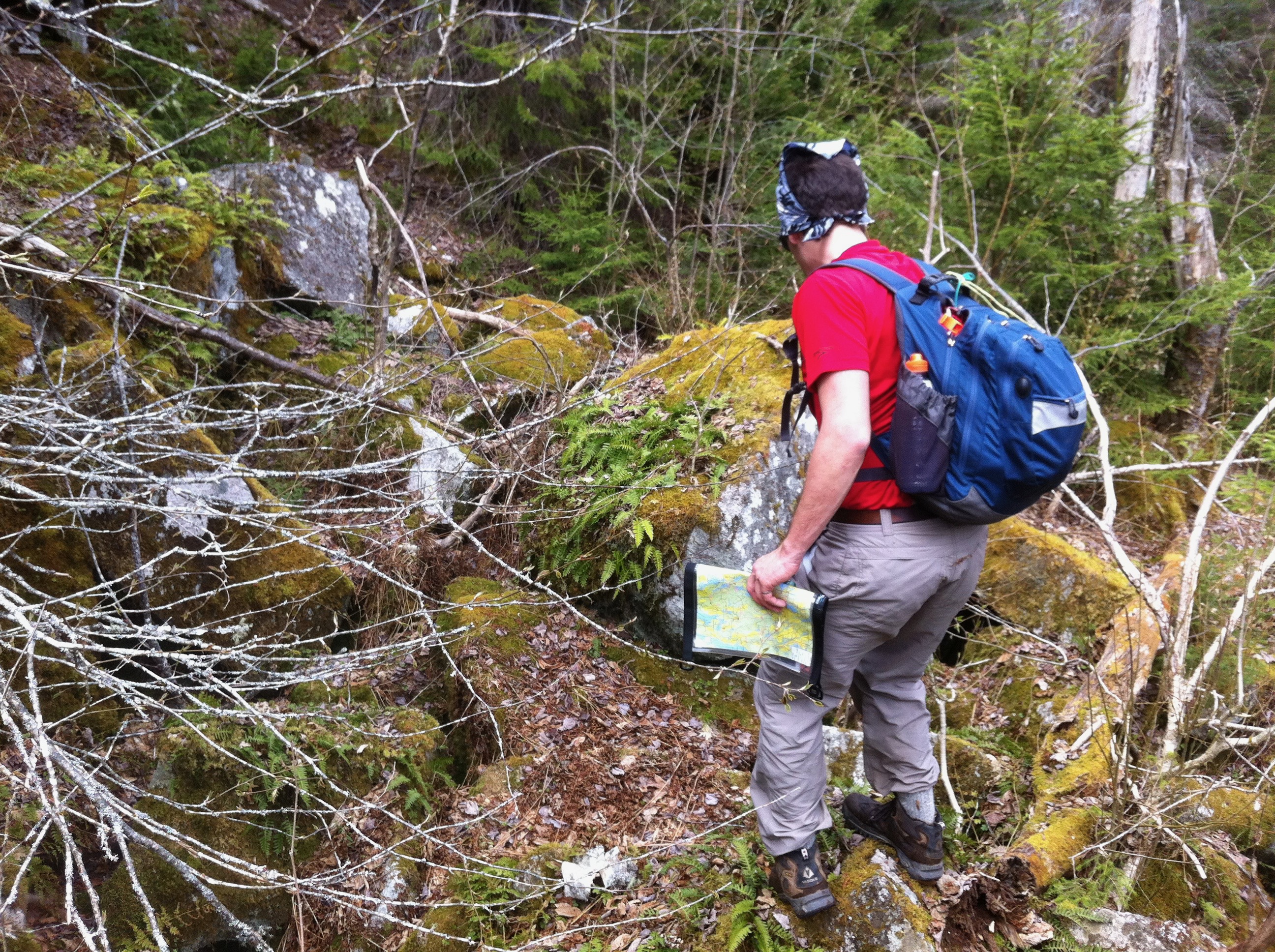
The race proved to be the perfect learning environment. After a quick study of navigation theory, the team set out. The feeling of successfully navigating to the first checkpoint using only a map and compass was a massive confidence boost. The first eight hours went remarkably well, with a solid number of checkpoints found using both map and magnetic bearings.
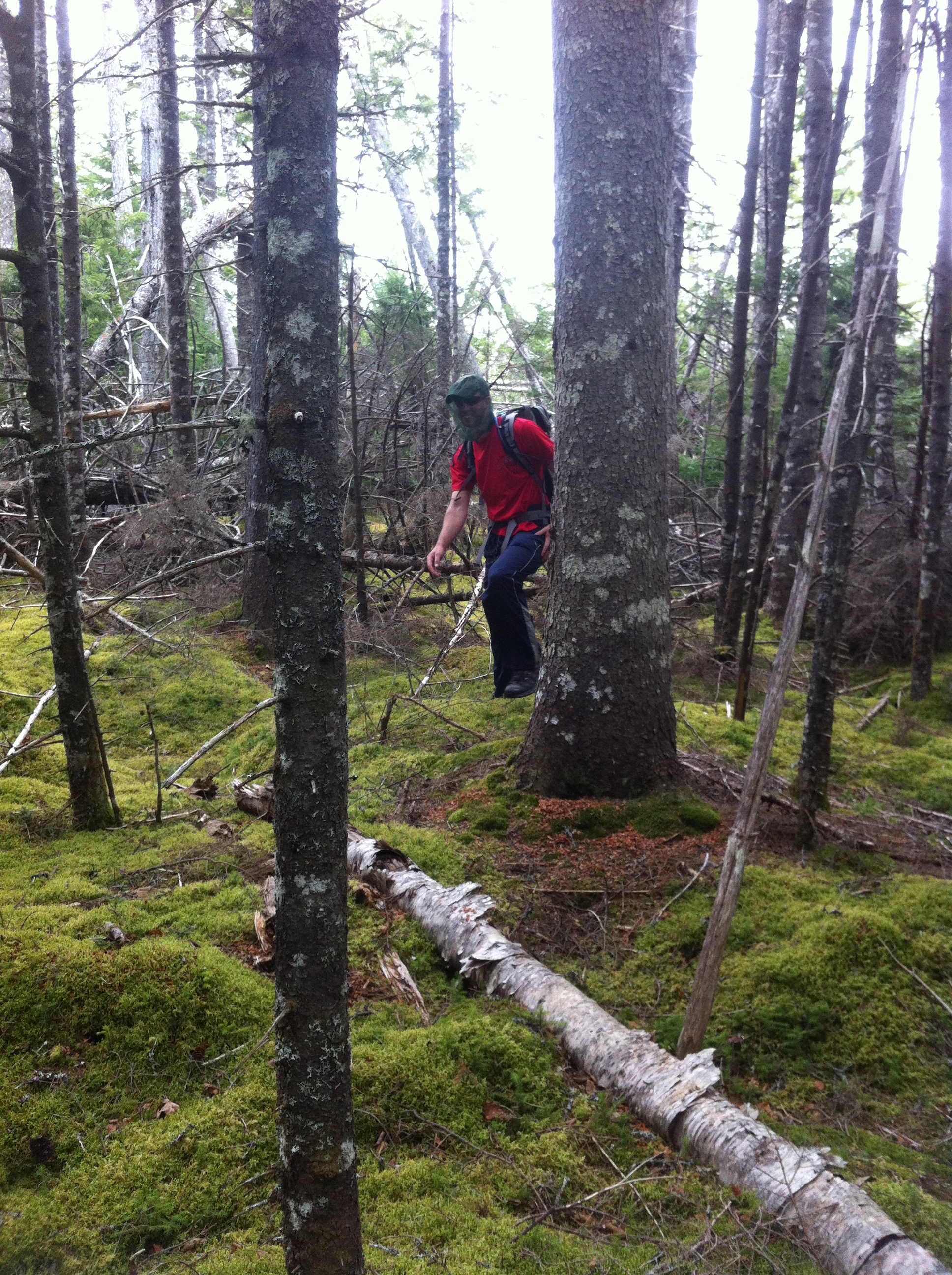
Then, as darkness fell, the real challenge began. Exhaustion set in. The team had a moment of realization: they were 14 kilometers “as the crow flies” from the car, separated by dense forest, windfall, lakes, and swamps. The long trek back to the car for a few hours of sleep began. As the night wore on, even finding checkpoints a few hundred meters off the path became an insurmountable task. After 12-16 hours of continuous effort, sitting on a mossy log in the dark, questioning every life decision that led to that moment, became part of the experience.
After a couple of hours of sleep in the car, the team hobbled back out for the final hours of the competition, but muscles and joints were destroyed from bushwhacking over 50 kilometers the day before. Only a few more checkpoints were found.
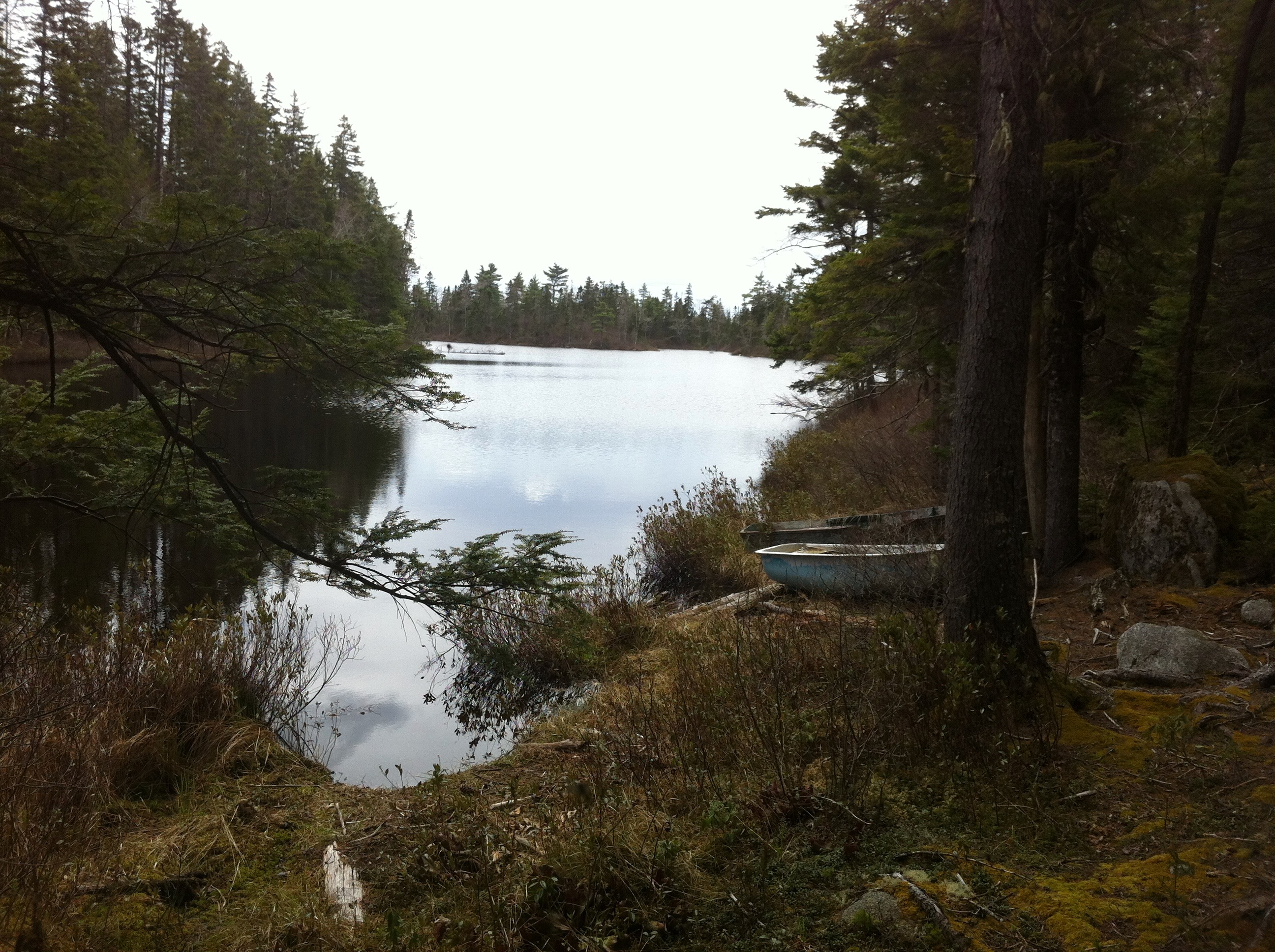
The Outcome: Confidence Forged in Discomfort
In the end, the team placed near the bottom of their category but achieved their primary goal. They navigated the entire time with map and compass, learning that nighttime navigation (a great simulation for dense fog) was exponentially more difficult. It was a physically and mentally grueling 24 hours, but it served its purpose perfectly. By the end of the competition, their navigation skills had increased dramatically, and they felt truly prepared to take on the Long Range Traverse.
This “head first” approach to learning a new skill within a structured, safe environment like an orienteering race has many benefits. It adds another layer of enjoyment to the trip preparation process and turns a single hike into an entire season of training, learning, and fun.
If you’ve had a similar experience where you dove in head first to learn a new skill, we’d love to hear about it. Your story may be featured in a future blog post!
 Pedals, Pistons & Persistence.
Leave a comment