We were sitting exactly 50 meters from two fully-grown lions—a massive male and a female on their haunches, well aware of our presence and tracking our every movement. My tail guide, Elliot, leaned in and whispered “Okay, we should go. We are not safe here”. Being so reliant on the guide’s energy in any given situation this came as a bit of a surprise.
I went to apply torque to the cranks to slowly, intentionally retreat, desperate not to trigger a predator’s chase instinct. That’s when my trusty right pedal reminded me it needed a little sympathy. The worn bearings would lock, but by then, the rhythm of the trip included a familiar, rhythmic kick mid-pedal stroke to remind the bearings who was boss. It was the ultimate test of focus: maintaining ‘mechanical sympathy’ on a well-used drivetrain while a pair of lions calculated my caloric value. That was true adventure.
The Pre-Flight Inspection
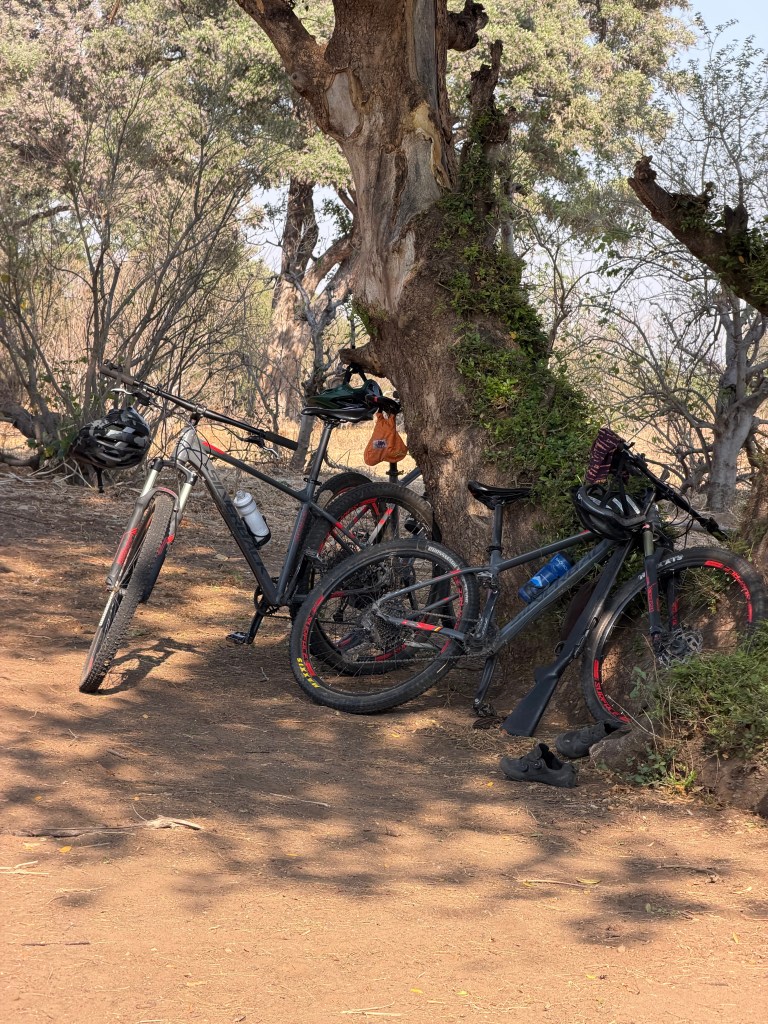
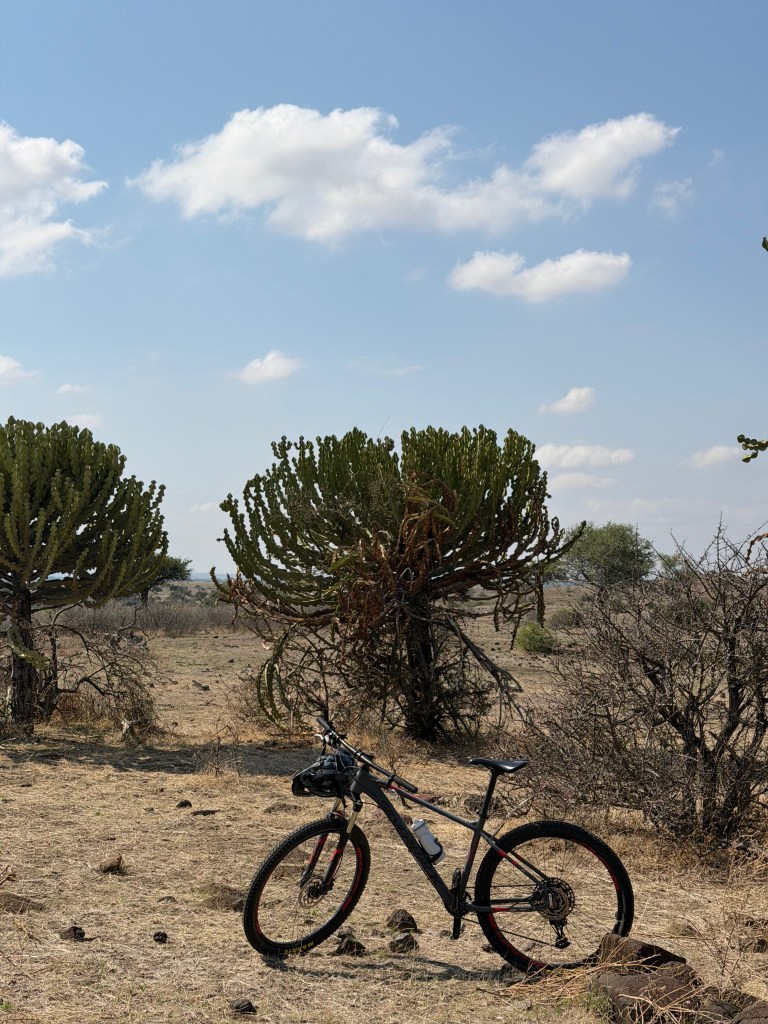
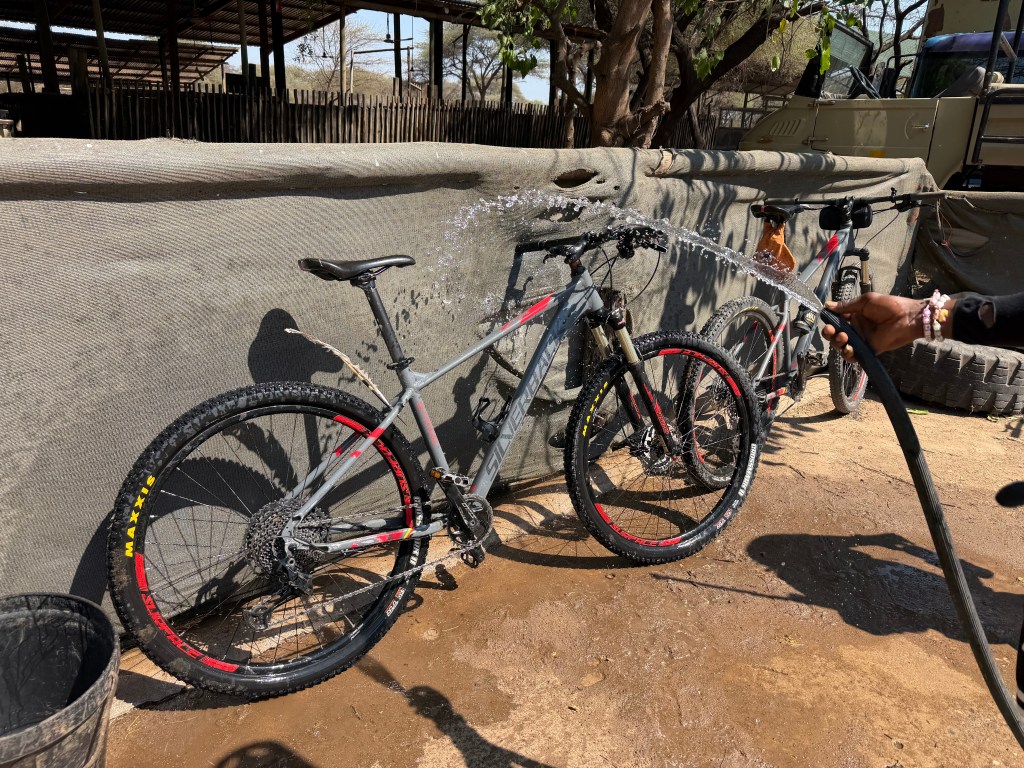
I’d opted against shipping my own rig from Calgary, as the luggage constraints of our charter flight wouldn’t allow it. I also figured the Botswana terrain—mostly game trails with maybe 100 meters of elevation gain each day—wouldn’t demand a higher end dual suspension machine. But as an engineer who does the majority of my own bike maintenance, of course I can’t just hop on a bike and ride. Before we even left the compound, I was doing my standard once-over.
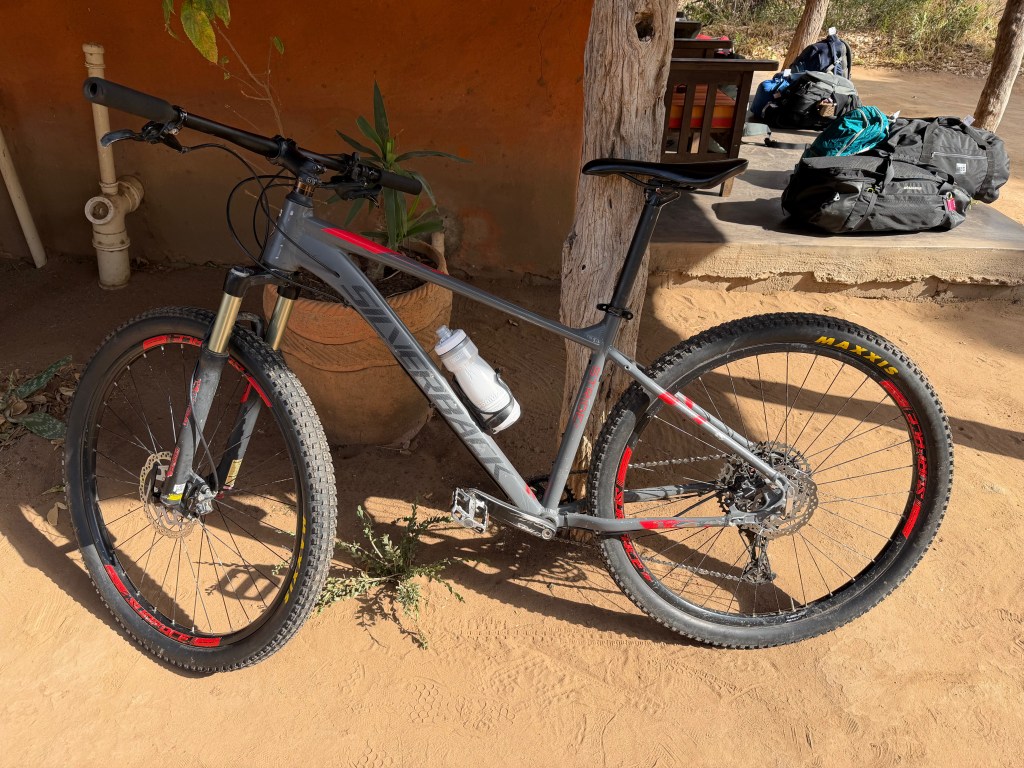
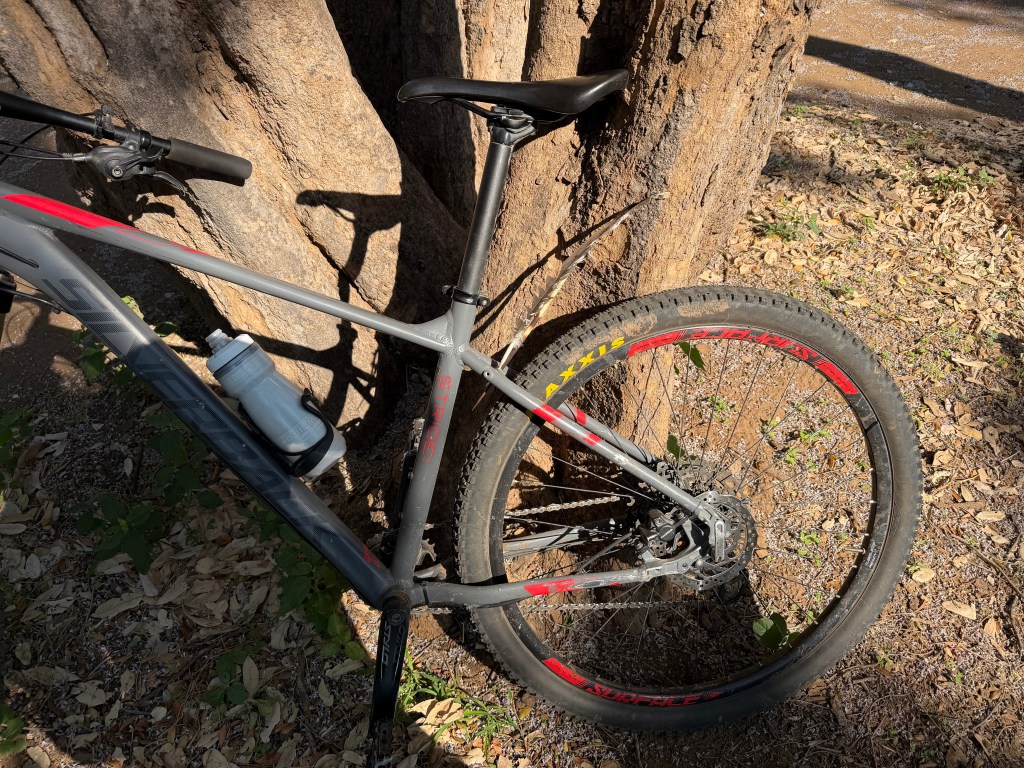
I ran through the usual checklist: bouncing the bike to listen for rattles, checking for lateral play in the wheels and headset, and feeling for any “grit” in the bottom bracket or headset through their range of motion. I spot-checked shifting, spoke tension, wheel true, and brake pads, and adjusted the controls—levers positioned exactly for single-finger braking in my neutral and ready positions.
The results confirmed my expectations—this was a well-used fleet with a story to tell:
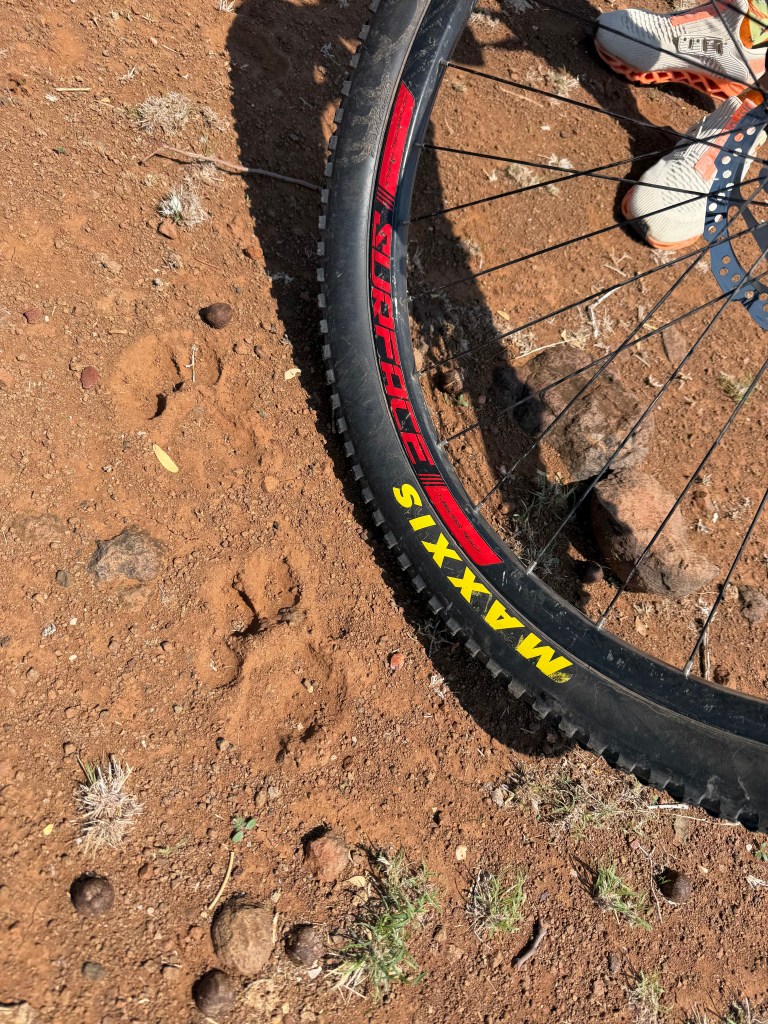
- Front Hub: As expected with safari mileage and the quartz-rich alluvium of the Limpopo valley, the bearings had enough lateral play to warrant replacement. No problem—a quick, pre-ride wheel swap and we were back in business.
- Headset: Another quick check revealed a slightly loose headset. It turned into a great teaching moment with Elliot—I showed him the subtle difference between snug and over-tightened, ensuring we kept the bike and our key components safe. This was to be the beginning of our trading of knowledge throughout the trip. My guides shared endless interesting details about the terrain and wildlife while I shared tips on mountain bike maintenance and riding techniques.
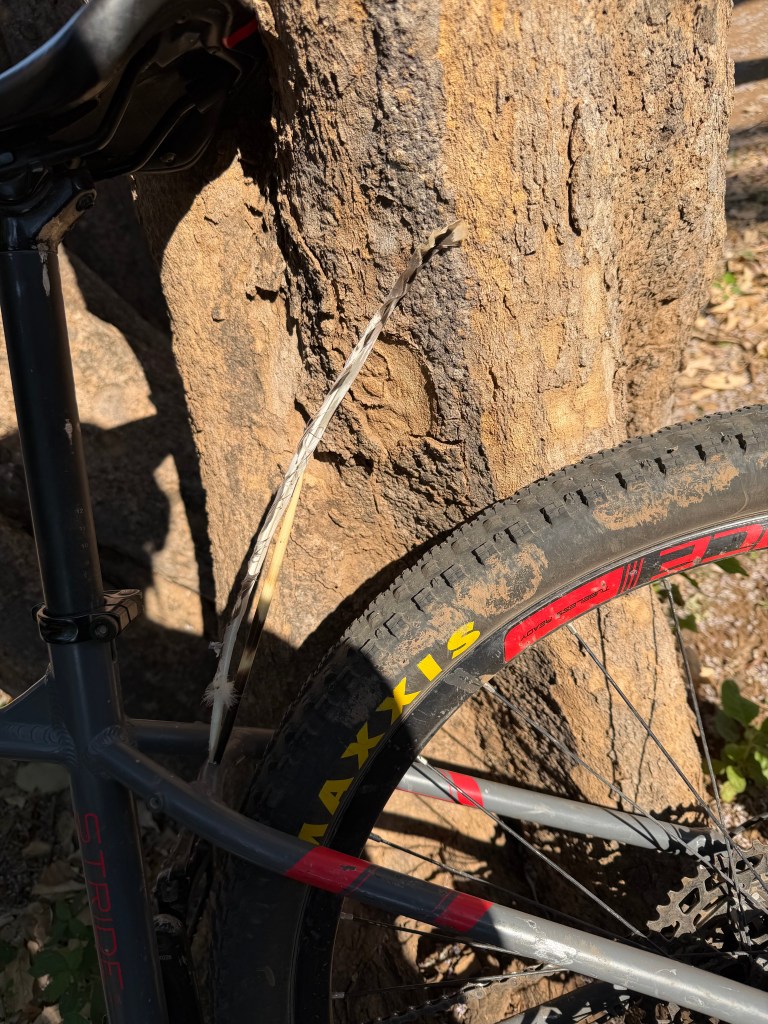
- Drivetrain: The worn cassettes and stretched chains meant an extra layer of engagement. Every silent pedal stroke became a focused lesson in smooth shifting and intentional torque—a true immersion into the mechanics of the ride.
To give you an idea of the gap between my baseline expectations and the reality of a rental fleet in the bush, here is how the Mashatu bikes measured up against my standard pre-ride checklist:
| Component | Typical Baseline | The Botswana Reality |
| Hubs | Zero lateral play; smooth rotation. | Front bearings worn; significant lateral play. (Replaced) |
| Headset / stem | Snug, smooth, and precisely torqued. | Initially loose; tightened leading to a discussion on torquing. |
| Drivetrain | Seamless kinetic transfer; indexed shifting. | Stretched chains and worn cassettes; regular skipping if no intervention with slight pressure on shifter. |
| Pedals | Free-spinning; no vertical / horizontal play. | The right pedal showed signs of severe wear and by the final days began to seize intermittently; required a bit of extra love. |
| Controls | Single-finger braking; ergonomic neutral. | Adjusted height/reach. |
| Frame & Spokes | Silent “bounce” test; uniform spoke tension. | Expected level of rattles that sang a song of a bike living its best life of adventure. |
Intentional Acceptance and Path to Immersion
Accustomed to the dialed precision of my bikes at home in the Rockies, my baseline expectation is seamless kinetic transfer from pedal to wheel. There’s a profound friction in wanting snappy engagement and getting the metallic crunch of a skipping gear instead. At home, a seized pedal or a worn out chain or cassette is grounds for immediate replacement; here, it was the cost of the adventure.
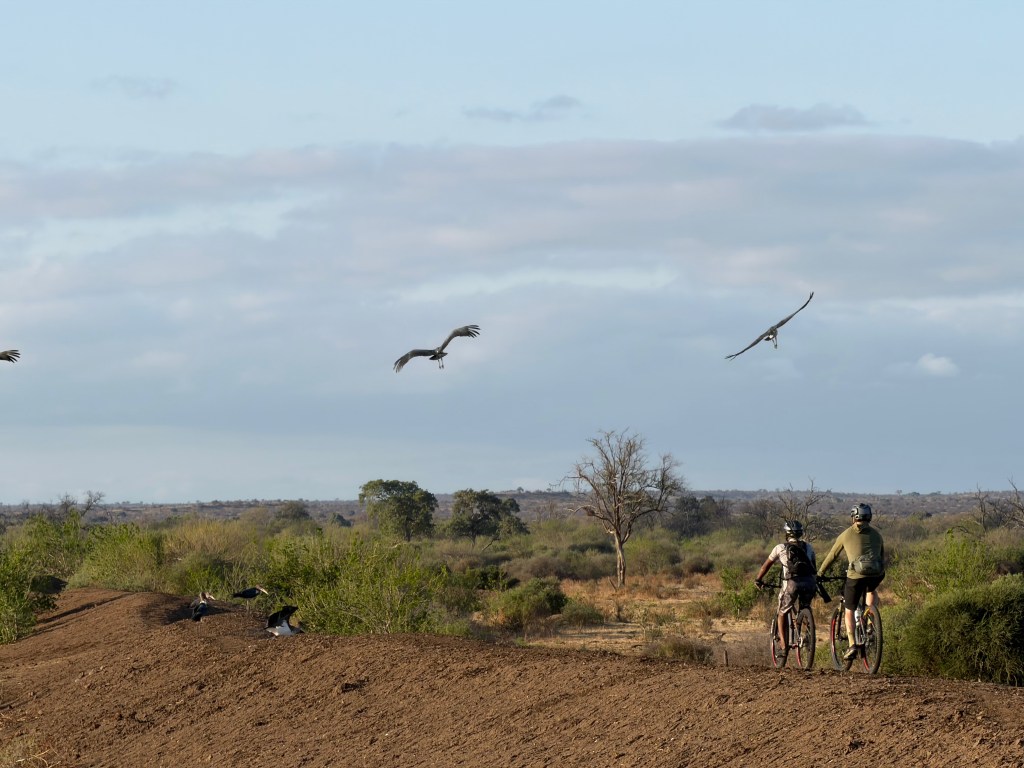
I spent the first few kilometers tuning into the machine. My wife was on her equestrian safari, silently gliding through the plains, already an accepted part of the environment. I, meanwhile, was a somewhat noisy, unpredictable, two-wheeled intruder. The wildlife scattered if I wasn’t paying attention to the trail or allowed my worn components to clatter. The reality wasn’t just the mechanical sympathy needed for the equipment; it was the intentional acceptance of trading horsepower for the humbling, raw reality of pedal power, which for me became the true path to immersion.
The Synthesis: Persistence over Precision
By the third day, managing the skipping drive train with a slight bit of pressure on a shifter during a critical climb became as instinctual as breathing. I stopped looking at the bike as a collection of worn parts and started seeing it as a survivor—much like the ancient baobabs or the leopards we were tracking. It was a machine that refused to quit, held together by grit, ingenuity and a few over-tightened bolts.
The mechanical friction had served its purpose: it stripped away my ‘Rockies’ ego and replaced it with a raw, focused presence. I wasn’t just observing the bush from a saddle; I was fighting for every meter of it, striving to move as intentionally and silently as possible.
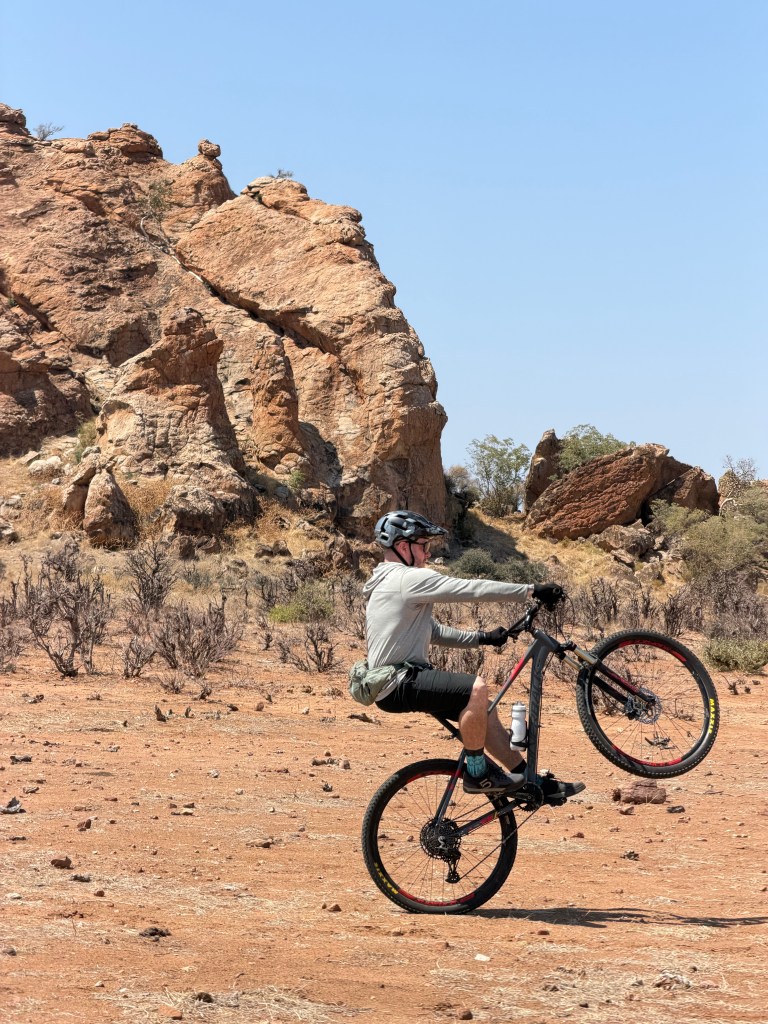
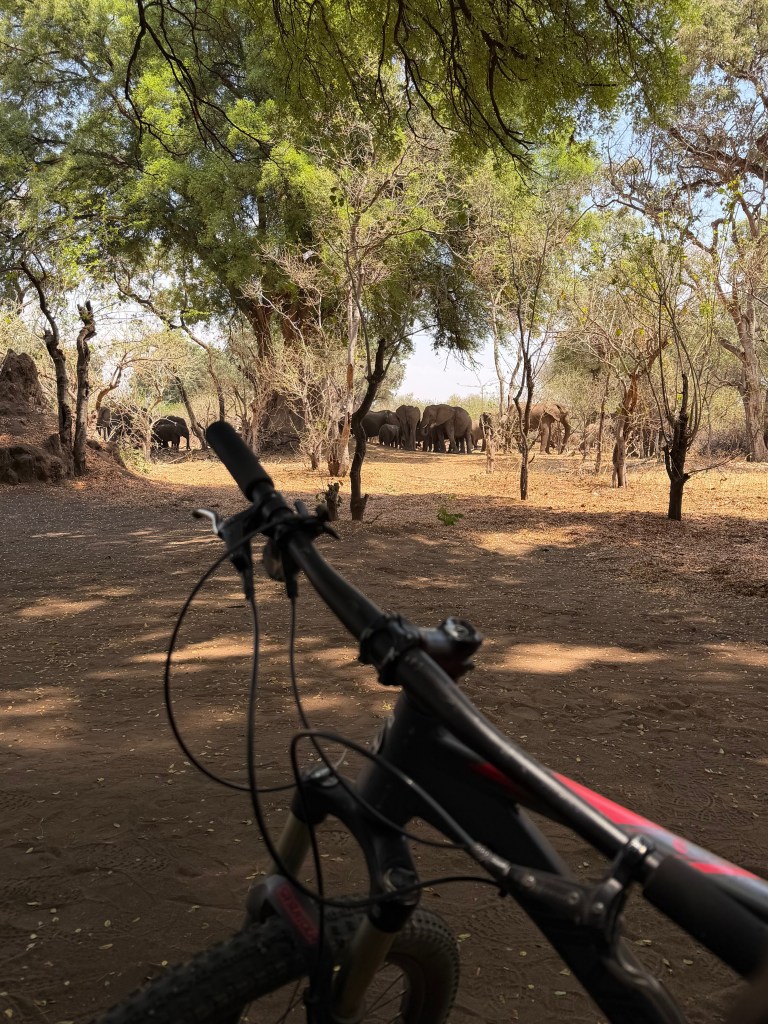
But as the sun began to dip behind the sandstone ridges of the Mashatu, a different kind of silence settled over the group. The mechanical noise of the day faded, replaced by the crackle of a campfire and the realization that the effort of managing the machine had only made the revelation of the landscape feel more earned. With the machine’s quirks finally understood and integrated into the ride, I could stop looking at my drivetrain and start looking at the incredible terrain and the many animals sharing the trail.
The Mashatu Series: What’s Next
Over the next few weeks, I’ll continue breaking down the specific logistics and mindset of the trip. Upcoming posts will cover:
- The Logistics: How to prepare and pack for a trip like this.
- The Mindset: How the right mindset can make a trip like this truly transformational.
Join my mailing list so you don’t miss the new posts as they drop.
 Pedals, Pistons & Persistence.
Leave a comment