Worn Soles: The Art of ‘Good Enough’ Gear
In the world of outdoor recreation, it’s easy to believe that every adventure requires the newest, top-of-the-line equipment. While modern gear is remarkable, a resourceful mindset is far more valuable. Resisting the urge to constantly upgrade and instead learning to appreciate the gear one already has is a skill in itself. The truth is, you don’t need much to go for a hike, camp overnight, or learn to snowboard. You just need a little creativity and a focus on the experience.
Case Study 1: The Evolution of Hiking Footwear
For many, the journey into outdoor activities begins simply: playing outside with whatever shoes are available. For years, an old pair of running shoes might serve as the primary “hiking footwear.” The first time one tries a dedicated hiking shoe—like the classic Merrell Moab—the difference can be revolutionary. A quality Vibram sole and a supportive shank can transform one’s confidence on rocky, uneven terrain.
That first pair of true hiking shoes often becomes a trusted companion, used for everything from daily walks to the first multi-day backcountry trips. As experience grows, so does the understanding of gear limitations. After years of use, it might become apparent that more ankle support is needed for carrying a heavy pack over long distances.
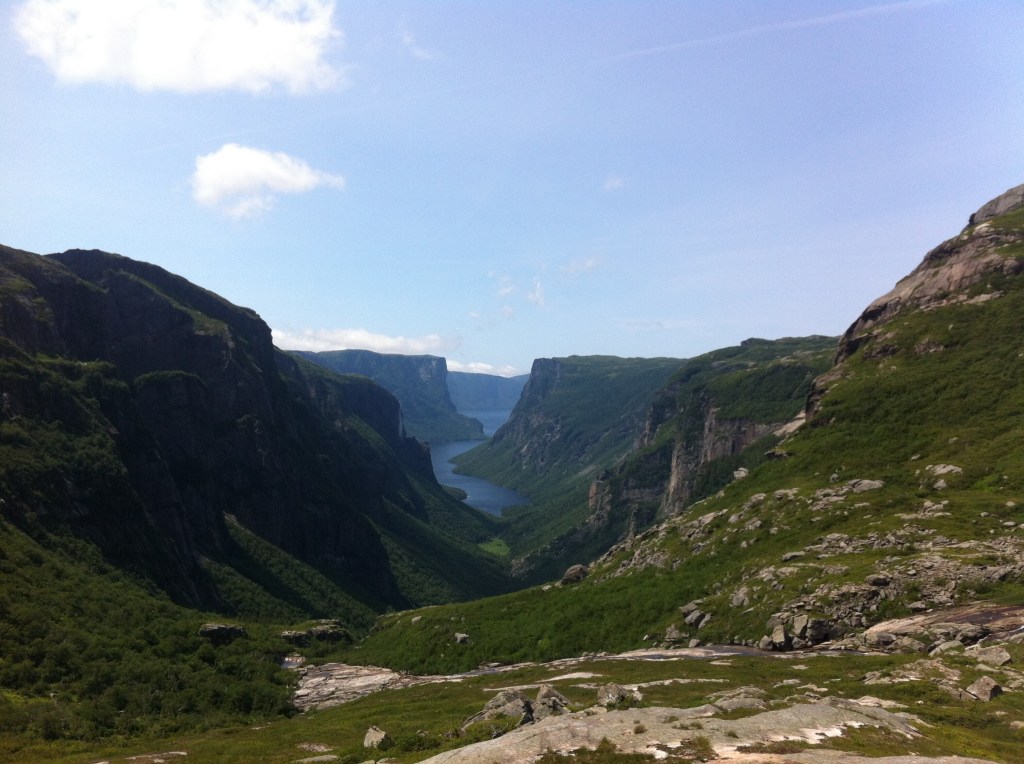
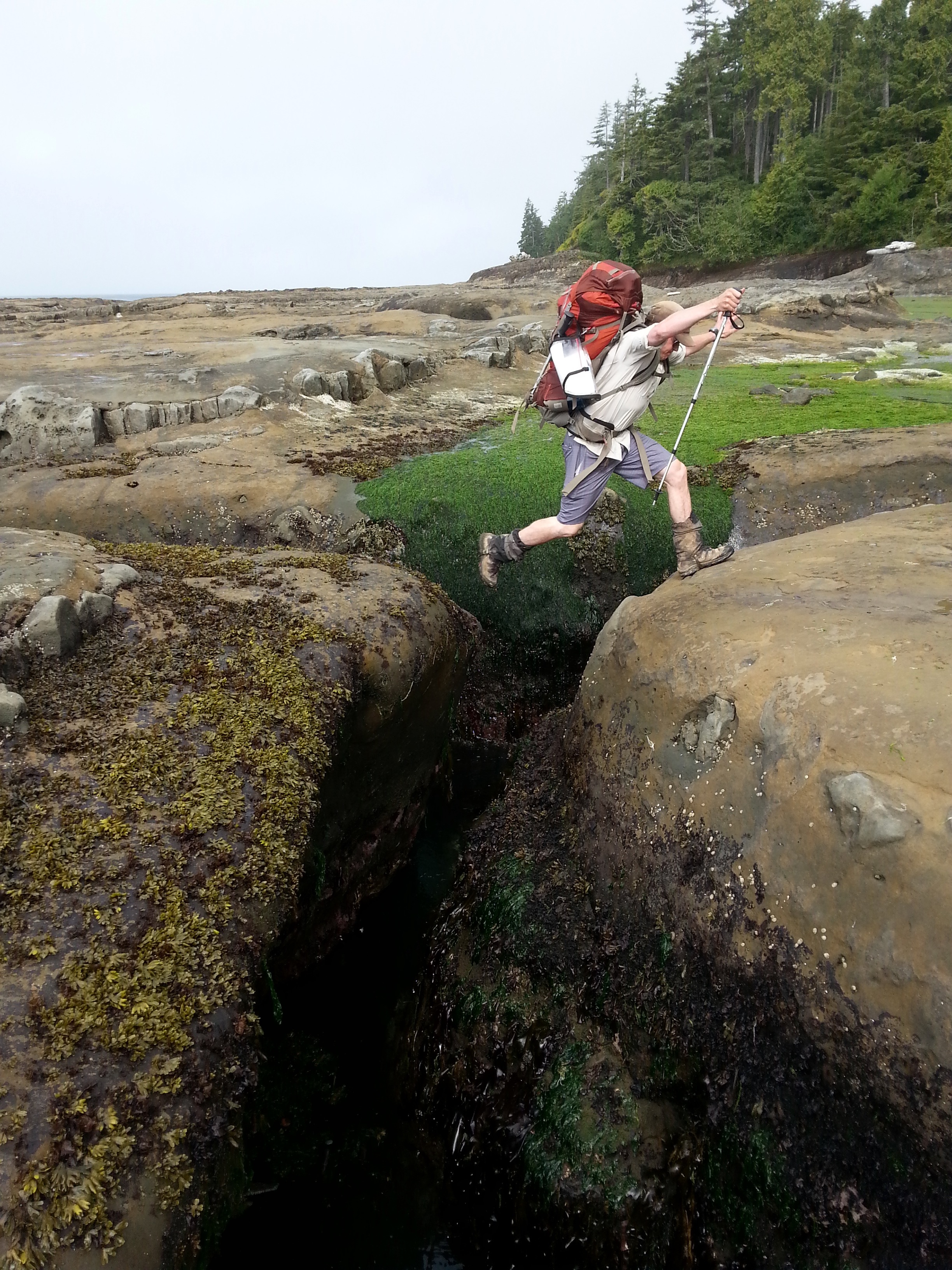
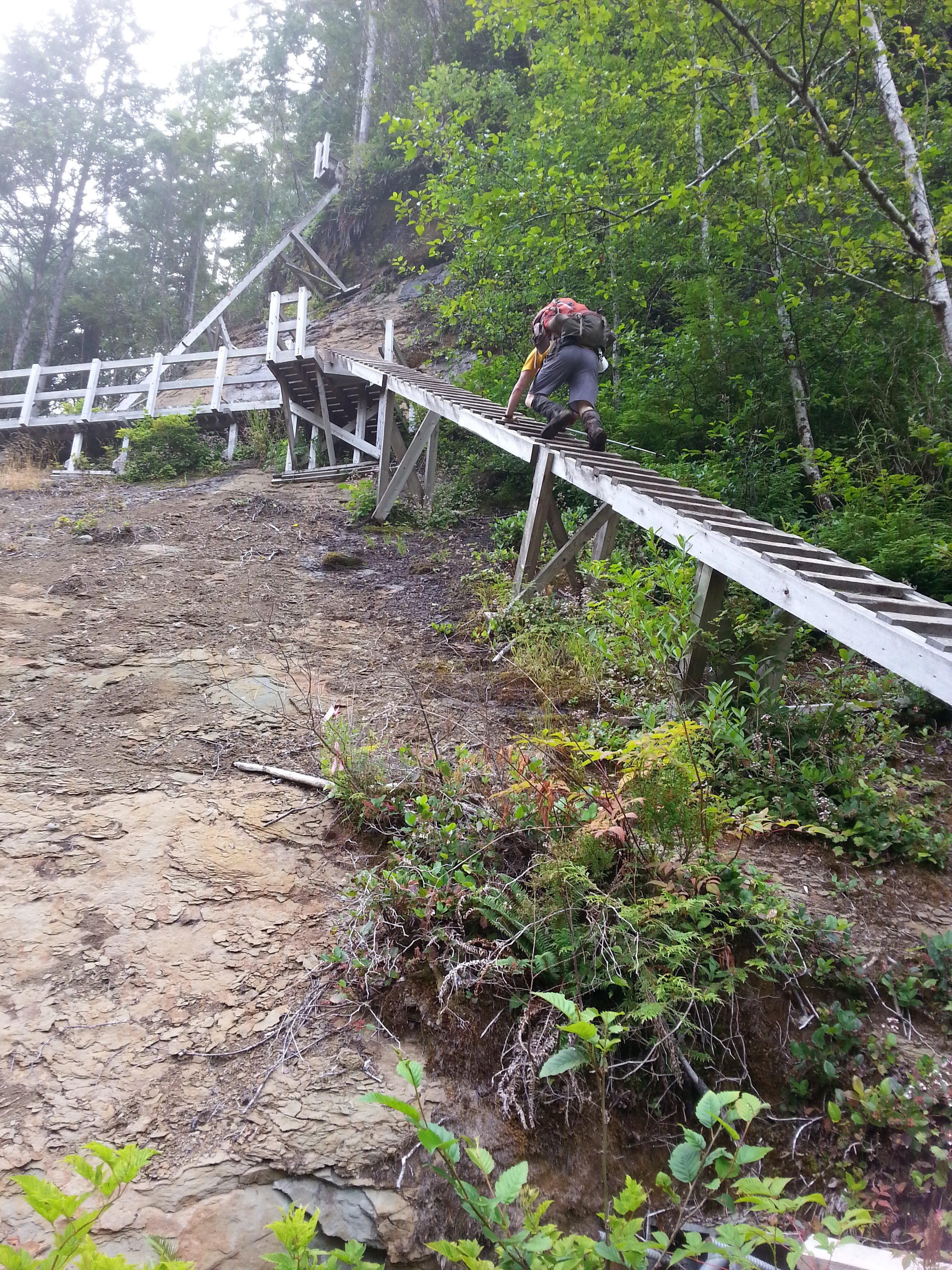
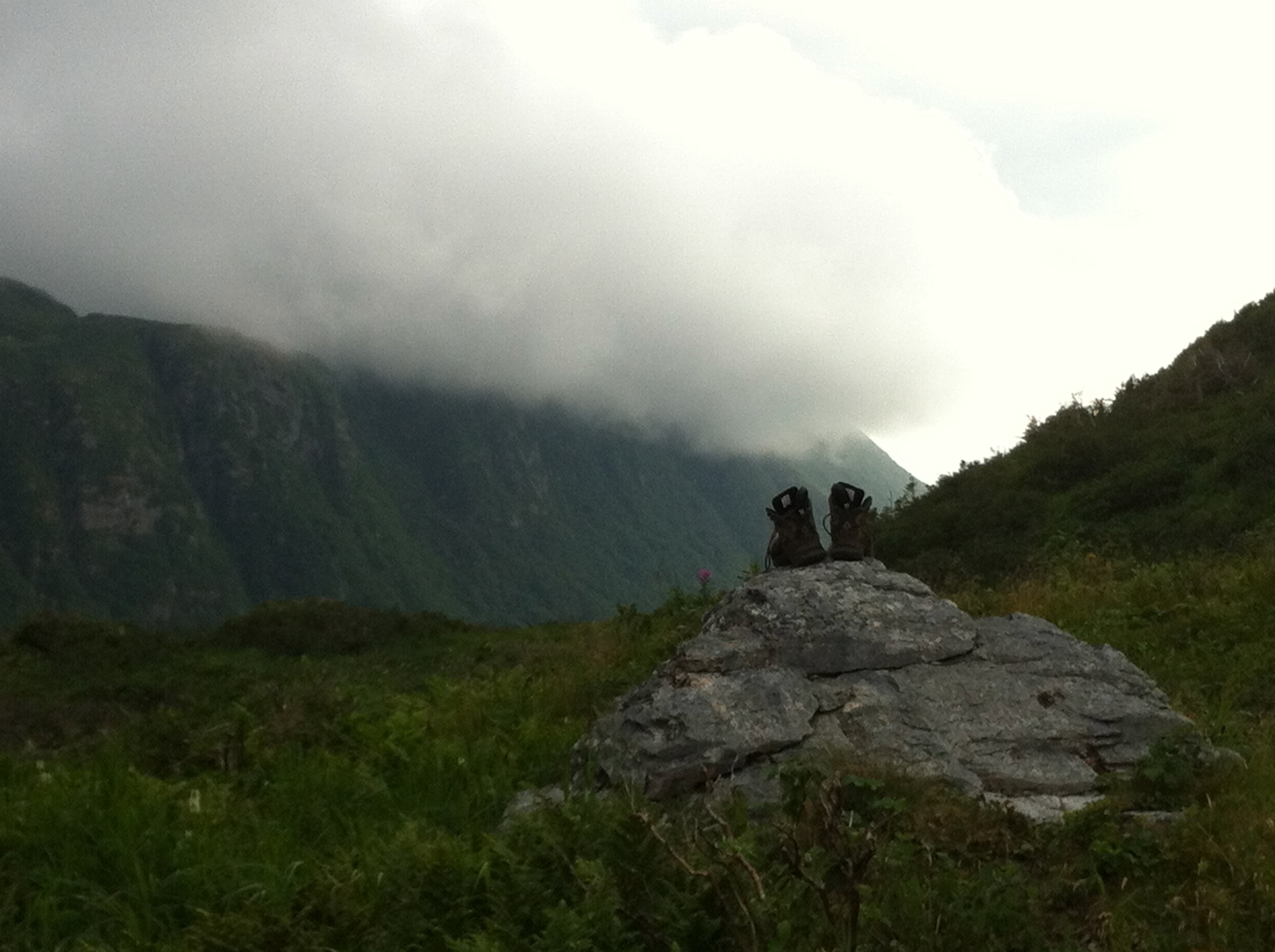
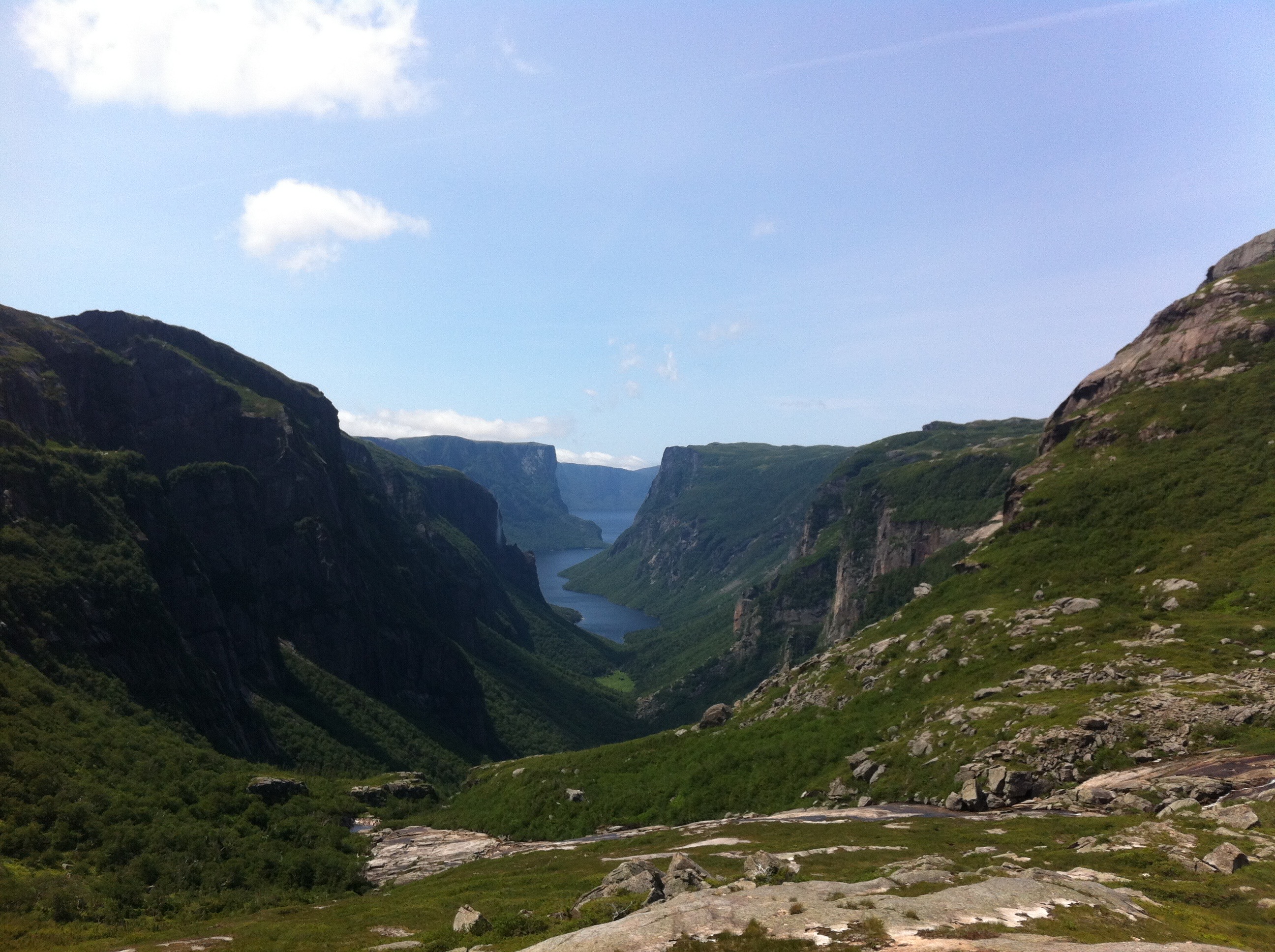
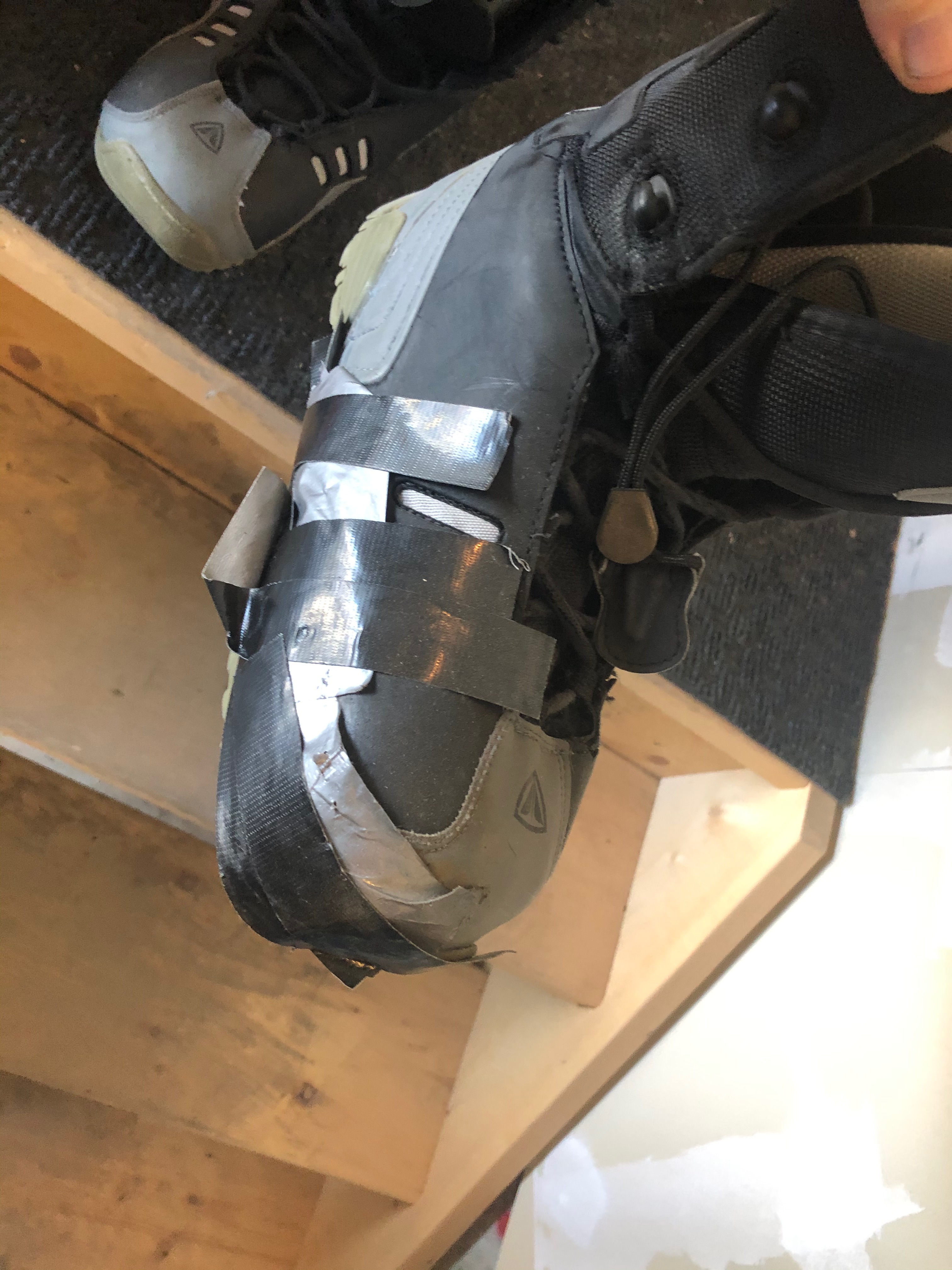
This is where a strategic upgrade makes sense. Moving from a hiking shoe to a more robust hiking boot, like the Salomon Quest, can provide that necessary support without sacrificing too much weight for day hikes. There’s a certain nostalgia attached to well-worn gear; these boots become vessels for memories, having carried their owner on iconic Canadian trails like Cape Chignecto, the Long Range Traverse, and the West Coast Trail. Even when seams begin to split and duct tape becomes a field-expedient waterproofing solution, they represent thousands of kilometers of adventure.
Case Study 2: The Budget-Friendly Snowboard
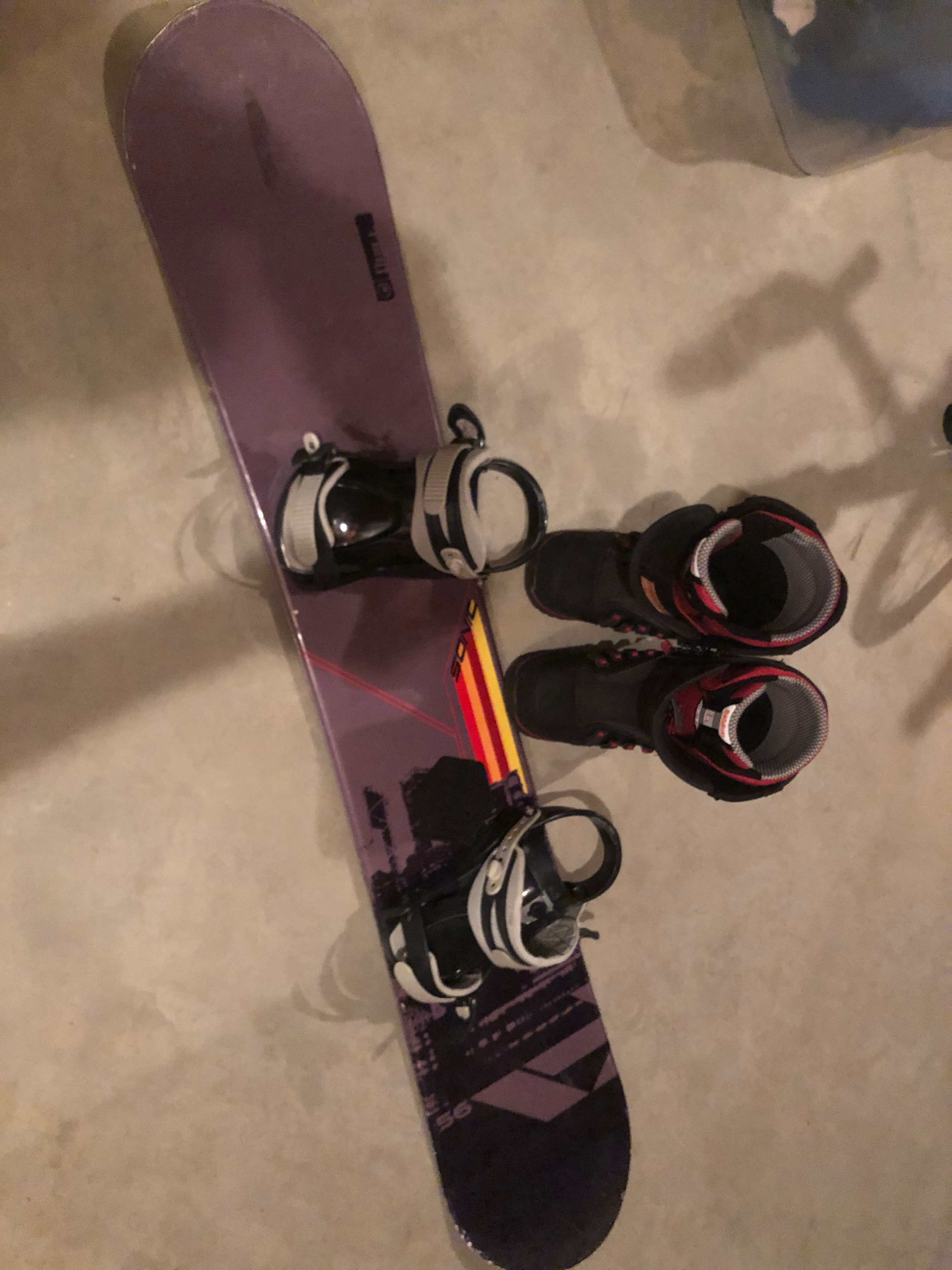
Sports like skiing and snowboarding can appear to have a high barrier to entry, both financially and in terms of skill. However, that perception doesn’t have to be the reality. Many seasoned snowboarders start by borrowing gear and learning on the fly. After a few days of tumbles and bruises, the fundamentals begin to click. A few years later, a complete used setup—board, boots, and bindings—can often be found for around $100 CAD. This single, inexpensive setup can provide more than eight years of service across mountains in Nova Scotia, Quebec, British Columbia, and Alberta.
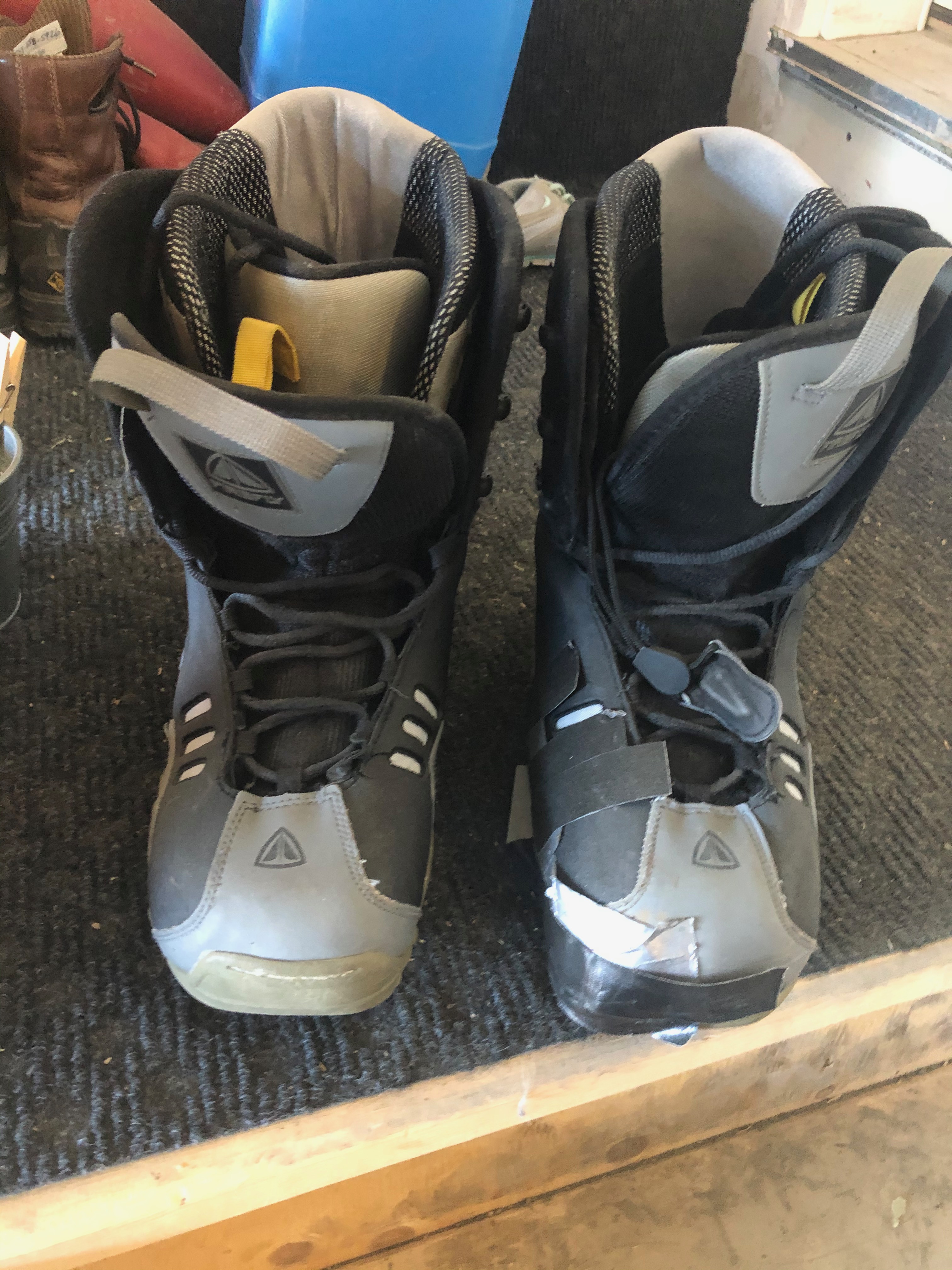
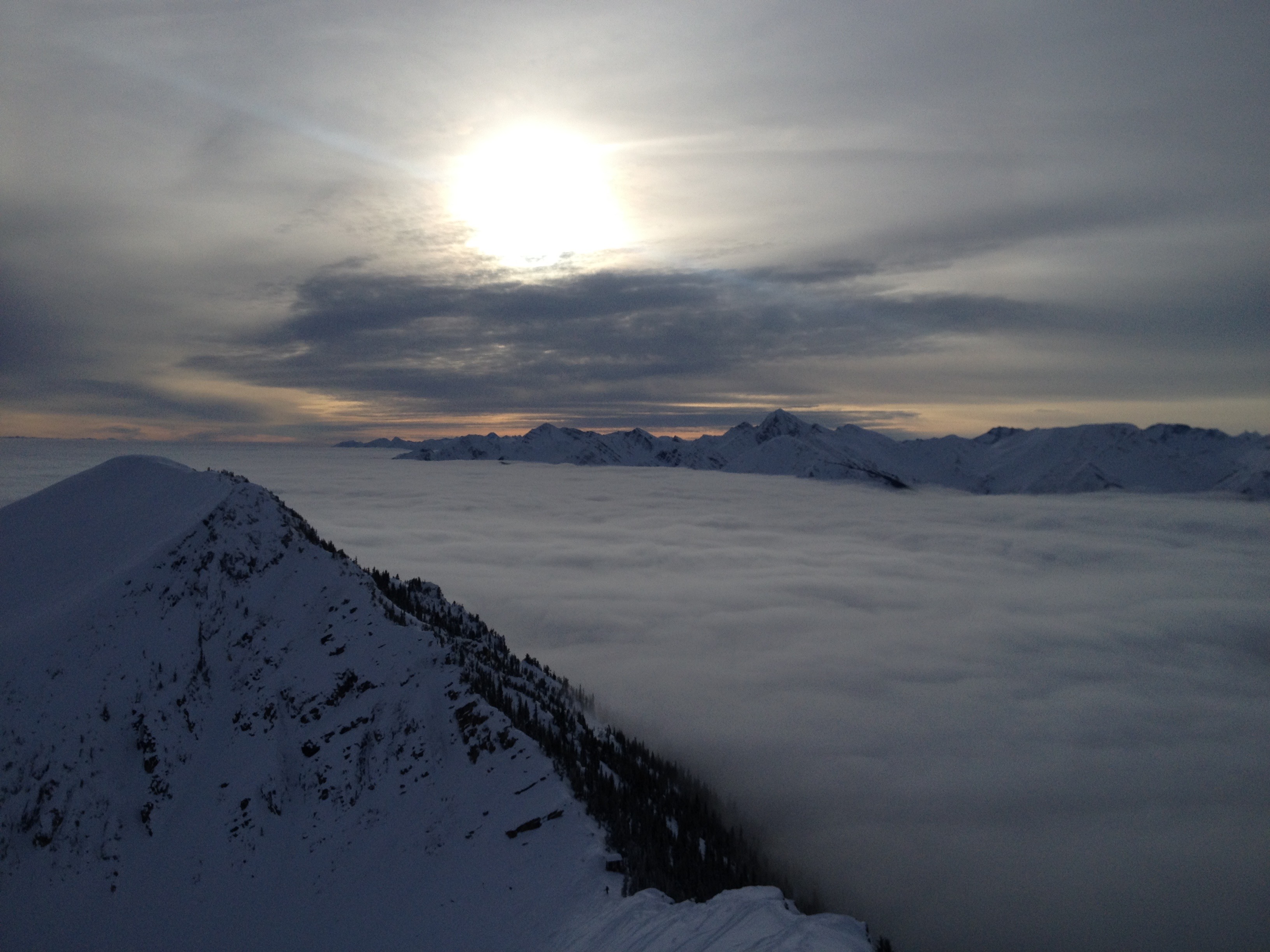
The focus isn’t on having the fanciest equipment, but simply on the joy of being on the mountain. Even boots repaired with duct tape can carry a rider to the top of legendary terrain like Terminator Ridge at Kicking Horse Mountain Resort. That same $100 board, after nearly a decade of use, can still be sold for $40, ready to continue its journey with a new owner.
The Philosophy: A Practical Approach to Acquiring Gear
A practical mindset towards equipment can save money and increase appreciation for the gear you own. Here are a few guiding principles:
- Don’t let a lack of specialized gear hold you back. You can hike in old running shoes and camp with budget-friendly equipment. The adventure itself is the goal.
- Use your equipment to its full potential. Push your gear to its limits (without creating a legitimate safety hazard) before considering a replacement.
- Buy new gear only when you’ve justified the need. Only after participating in an activity enough that your current gear is genuinely holding you back should you consider a specialized or new purchase. For example, after renting a splitboard setup multiple times a year for several years, the cost and inconvenience of renting may finally justify the investment in a personal setup.
The goal is to inspire you to squeeze every last drop of adventure out of your current equipment. Be creative, be resourceful, and focus on the experience.


Leave a comment